When specifying fruit trees, variety and rootstock are the two most important factors. Almost all fruit trees are grafted onto rootstocks. The rootstock is the most important factor in determining the vigour and eventual size of the tree.
The choice of rootstock will therefore determine the suitability of the tree for the position and the form in which you intend to grow it. Please find below a list of rootstocks and their characteristics, including mature height, spread, Planting distance, yield and form types.
Apple

Apple: M27 (Very dwarfing )
Requirements: Good soil conditions. Ground should be clear of weeds and grass. Permanent staking required. Water in dry conditions.
Mature height: 4-6ft (1.2-1.8m)
Spread: 5ft (1.5m)
Planting distance: 4-5 ft (1.2-1.5m) apart, 6ft (1.8m) between rows
Mature yield: 10-15lb (4.5-7kg)
Bearing age: 2 years
Suitable forms: Dwarf pyramid, centre leader, step-over
Apple: M9 (Dwarfing )
Requirements
Good soil conditions. Ground should be clear of weeds and grass. Permanent staking required. Water in dry conditions.
Mature height: 6-8ft (1.8-2.4m)
Spread: 9ft (2.7m)
Planting distance: 8-10ft (2.4-3m) apart, 12ft (3.6m) between rows
Mature yield: 25-50lb (11-23kg)
Bearing age: 2/3 years
Suitable forms: Bush, pyramid, centre leader, cordon
Apple: M26 (Semi-dwarfing )
Requirements: Can be grown in all reasonable soil conditions including grass orchards. Stake for the first 5 years.
Mature height: 8-10ft (2.4-3m)
Spread: 12ft (3.6m)
Planting distance: 8-12ft (2.4-3.6m) apart, 15ft (4.5m) between rows
Mature yield: 30-80lb (13.5-36kg)
Bearing age: 2/3 years
Suitable forms: Bush, pyramid, centre leader, cordon, minaret, espalier, container
Apple: MM106 (Semi-vigorous )
Requirements: Suitable for a wide range of soils including grassed orchards and relatively poor soils. Stake for the first 5 years.
Mature height: 10-13ft (3-4m)
Spread: 13ft (4m)
Planting distance: 12ft (3.6m) apart, 15ft (4.5m) between rows
Mature yield: 50-100lb (23-56kg)
Bearing age: 3/4 years
Suitable forms: Half standard, bush, cordon, espalier, container
Apple: MM111 (Vigorous )
Requirements: Suitable for a wide range of soils including grassed orchards and poor soils. Staking preferable but not necessary if planted as a one year old. Stake for first 3 years if planted as 2/3 year trees.
Mature height: 13-15ft (4-4.5m)
Spread: 15ft (4.5m)
Planting distance: 15ft (4.5m) apart, 20ft (6m) between rows
Mature yield: 100-400lb (45-180kg)
Bearing age: 4/5 years
Suitable forms: Standard, half standard, large espalier
Apple: M25 (Very vigorous )
Requirements: Suitable for a wide range of soils including grassed orchards and poor soils. Staking preferable but not necessary if planted as a one year old. Stake for first 3 years if planted as 2/3 year trees.
Mature height: Over15ft (4.5m)
Spread: 20ft (6m)
Planting distance: 20ft (6m) apart, 25ft (7.5m) between rows
Mature yield: 200-400lb (90-180kg)
Bearing age: 5/6 years
Suitable forms: Standard
Pear

Pear: Quince C (Dwarfing )
Requirements: Good fertile soil. Ground should be clear of weeds and grass. Stake for at least the first 5 years and preferably permanently.
Mature height: 8-10ft (2.4-3m)
Spread: 9ft (2.7m)
Planting distance: 9ft (2.7m) apart, 12ft (3.6m) between rows
Bearing age : 3/4 years
Suitable forms: Bush, pyramid, centre leader, cordon, espalier
Pear: Quince A (Semi-dwarfing )
Requirements: Suitable for a wide range of soils including relatively poor soils. Stake for the first 5 years.
Mature height : 10-12ft (3-3.6m )
Spread: 12ft (3.6m)
Planting distance: 12ft (3.6m) apart, 15ft (4.5m) between rows
Bearing age: 4/5 years
Suitable forms: Suitable Forms: Half standard, bush, cordon, espalier, container
Pear: Pyrodwarf (Semi-vigorous )
Requirements; A new relatively dwarfing pear rootstock. Can be used for most soil conditions including relatively poor soil and grassed orchards. Stake for the first 5 years.
Mature height: Over 15ft (4.5m)
Spread : 15ft (4.5m)
Planting distance: 15ft (4.5m) apart, 20ft (6m) between rows
Bearing age; 4/5 years
Suitable forms: Half Standard
Pear: Pyrus (Very vigorous )
Requirements: Suitable for a wide range of soils including poor soils and grassed orchards. Staking preferable for the first 3 years.
Mature height: Over 20ft (6m)
Spread: 15ft (4.5m)
Planting distance; 20ft (6m) apart, 25ft (7.5m) between rows
Bearing age; 5/6 years
Suitable forms: Standard
Plum

Plum: VVA-1 (Dwarfing )
Requirements; A new dwarfing rootstock for plums. Requires good fertile soil and ground cleared of weeds and grass. Stake for the first 5 years. Requires watering in dry conditions.
Mature height: 7-9ft (2-2.7m)
Spread; 9ft (2.7m)
Planting distance: 8ft (2.5m) apart, 12ft (3.6m) between rows
Bearing age: 3 years
Suitable forms: Bush, pyramid, small fan
Plum: Pixy (Semi-dwarfing )
Requirements: Requires good fertile soil and ground cleared of weeds and grass. Stake for the first 5 years. Requires watering in dry conditions.
Mature height: 8-10ft (2.4-3m)
Spread; 10ft (3m)
Planting distance; 10ft (3m) apart, 12ft (3.6m) between rows
Bearing age; 3 years
Suitable forms: Bush, pyramid, small fan
Plum: WA-VIT (Semi-dwarfing )
Requirements: A new semi-dwarfing rootstock for plums, damsons, apricots and peaches. Suitable for most soil conditions including relatively dry conditions. Stake for the first 5 years
Mature height; 9-11ft (2.7-3.3m)
Spread: 11ft (3.3m)
Planting distance: 10ft (3m) apart, 15ft (4.5m) between rows
Bearing age: 4 years
Suitable forms: Bush, Half Standard, Fan
Plum: St. Julien A (Semi-vigorous )
Requirements: Suitable for most soil conditions including relatively poor soil and grassed orchards. Stake for the first 5 years.
Mature height: 10-12ft (3-3.6m)
Spread: 12ft (3.6m)
Planting distance: 12ft (3.6m) apart, 15ft (4.5m) between rows
Bearing age: 4/5 years
Suitable forms; Half standard, bush, fan
Plum: Brompton (Very vigorous )
Requirements: Suitable for most soil conditions including poor soils. Stake for the first 5 years.
Mature height: Over 15ft (4.5m)
Spread: 15ft (4.5m)
Planting distance: 20ft (6m) apart, 25ft (7.5m) between rows
Bearing age: 4/5 years
Suitable forms: Standard
Peach

Peach: VVA-1 (Dwarfing )
Requirements: A new dwarfing rootstock for plums. Requires good fertile soil and ground cleared of weeds and grass. Stake for the first 5 years. Requires watering in dry conditions.
Mature height: 7-9ft (2-2.7m)
Spread: 9ft (2.7m)
Planting distance: 8ft (2.5m) apart, 12ft (3.6m) between rows
Bearing age: 3 years
Suitable forms: Bush, pyramid, small fan
Peach: Pixy (Semi-dwarfing )
Requirements: Requires good fertile soil and ground cleared of weeds and grass. Stake for the first 5 years. Requires watering in dry conditions.
Mature height: 8-10ft (2.4-3m)
Spread: 10ft (3m)
Planting distance: 10ft (3m) apart, 12ft (3.6m) between rows
Bearing age: 3 years
Suitable forms: Bush, pyramid, small fan
Peach: WA-VIT (Semi-dwarfing )
Requirements: A new semi-dwarfing rootstock for plums, damsons, apricots and peaches. Suitable for most soil conditions including relatively dry conditions. Stake for the first 5 years
Mature height; 9-11ft (2.7-3.3m)
Spread; 11ft (3.3m)
Planting distance: 10ft (3m) apart, 15ft (4.5m) between rows
Bearing age; 4 years
Suitable forms; Bush, Half Standard, Fan
Peach: St Julien A (Semi-vigorous )
Requirements: Suitable for most soil conditions including relatively poor soil and grassed orchards. Stake for the first 5 years.
Mature height: 10-12ft (3-3.6m)
Spread: 12ft (3.6m)
Planting distance: 12ft (3.6m) apart, 15ft (4.5m) between rows
Bearing age; 4/5 years
Suitable forms; Half standard, bush, fan
Peach: Krymsk 86 (Semi-vigorous )
Requirements: A new rootstock suitable for peaches, nectarines and almonds. Can be used for most soil conditions including relatively poor soil and grassed orchards. Stake for the first 5 years.
Mature height: n/a
Spread: n/a
Planting distance: n/a
Bearing age; 4/5 years
Suitable forms; n/a
Peach: Brompton (Very vigorous )
Requirements: Suitable for most soil conditions including poor soils. Stake for the first 5 years.
Mature height; Over 15ft (4.5m)
Spread; 15ft (4.5m)
Planting distance: 20ft (6m) apart, 25ft (7.5m) between rows
Bearing age: 4/5 years
Suitable forms; Standard
Nectarine

Nectarine: VVA-1 (Dwarfing )
Requirements: A new dwarfing rootstock for plums. Requires good fertile soil and ground cleared of weeds and grass. Stake for the first 5 years. Requires watering in dry conditions.
Mature height; 7-9ft (2-2.7m)
Spread: 9ft (2.7m)
Planting distance: 8ft (2.5m) apart, 12ft (3.6m) between rows
Bearing age: 3 years
Suitable forms: Bush, pyramid, small fan
Nectarine: Pixy (Semi-dwarfing )
Requirements: Requires good fertile soil and ground cleared of weeds and grass. Stake for the first 5 years. Requires watering in dry conditions.
Mature height; 8-10ft (2.4-3m)
Spread: 10ft (3m)
Planting distance: 10ft (3m) apart, 12ft (3.6m) between rows
Bearing age: 3 years
Suitable forms: Bush, pyramid, small fan
Nectarine: WA-VIT (Semi-dwarfing )
Requirements: A new semi-dwarfing rootstock for plums, damsons, apricots and peaches. Suitable for most soil conditions including relatively dry conditions. Stake for the first 5 years
Mature height: 9-11ft (2.7-3.3m)
Spread: 11ft (3.3m)
Planting distance; 10ft (3m) apart, 15ft (4.5m) between rows
Bearing age: 4 years
Suitable forms: Bush, Half Standard, Fan
Nectarine: St Julien A (Semi-vigorous )
Requirements: Suitable for most soil conditions including relatively poor soil and grassed orchards. Stake for the first 5 years.
Mature height: 10-12ft (3-3.6m)
Spread: 12ft (3.6m)
Planting distance: 12ft (3.6m) apart, 15ft (4.5m) between rows
Bearing age: 4/5 years
Suitable forms: Half standard, bush, fan
Nectarine: Krymsk 86 (Semi-vigorous )
Requirements: A new rootstock suitable for peaches, nectarines and almonds. Can be used for most soil conditions including relatively poor soil and grassed orchards. Stake for the first 5 years.
Mature height: n/a
Spread: n/a
Planting distance: n/a
Bearing age; 4/5 years
Suitable forms; n/a
Nectarine: Brompton (Very vigorous )
Requirements: Suitable for most soil conditions including poor soils. Stake for the first 5 years.
Mature height: Over 15ft (4.5m)
Spread: 15ft (4.5m)
Planting distance: 20ft (6m) apart, 25ft (7.5m) between rows
Bearing age: 4/5 years
Suitable forms: Standard
Apricot

Apricot: VVA-1 (Dwarfing )
Requirements; A new dwarfing rootstock for plums. Requires good fertile soil and ground cleared of weeds and grass. Stake for the first 5 years. Requires watering in dry conditions.
Mature height; 7-9ft (2-2.7m)
Spread; 9ft (2.7m)
Planting distance; 8ft (2.5m) apart, 12ft (3.6m) between rows
Bearing age; 3 years
Suitable forms; Bush, pyramid, small fan
Apricot: Pixy (Semi-dwarfing )
Requirements: Requires good fertile soil and ground cleared of weeds and grass. Stake for the first 5 years. Requires watering in dry conditions.
Mature height; 8-10ft (2.4-3m)
Spread; 10ft (3m)
Planting distance; 10ft (3m) apart, 12ft (3.6m) between rows
Bearing age; 3 years
Suitable forms; Bush, pyramid, small fan
Apricot: WA-VIT (Semi-dwarfing )
Requirements: A new semi-dwarfing rootstock for plums, damsons, apricots and peaches. Suitable for most soil conditions including relatively dry conditions. Stake for the first 5 years
Mature height: 9-11ft (2.7-3.3m)
Spread; 11ft (3.3m)
Planting distance: 10ft (3m) apart, 15ft (4.5m) between rows
Bearing age; 4 years
Suitable forms: Bush, Half Standard, Fan
Apricot: Torinel (Semi-dwarfing )
Requirements: A new rootstock suitable for apricots. Can be used for most soil conditions including relatively poor soil and grassed orchards. Stake for the first 5 years.
Mature height: 10-12ft (3-3.6m)
Spread: 12ft (3.6m)
Planting distance; 12ft (3.6m) apart, 15ft (4.5m) between rows
Bearing age; 4/5 years
Suitable forms; Half standard, bush, fan
Apricot: St Julien A (Semi-vigorous )
Requirements: Suitable for most soil conditions including relatively poor soil and grassed orchards. Stake for the first 5 years.
Mature height: 10-12ft (3-3.6m)
Spread: 12ft (3.6m)
Planting distance: 12ft (3.6m) apart, 15ft (4.5m) between rows
Bearing age: 4/5 years
Suitable forms; Half standard, bush, fan
Apricot: Brompton (Very vigorous )
Requirements: Suitable for most soil conditions including poor soils. Stake for the first 5 years.
Mature height: Over 15ft (4.5m)
Spread: 15ft (4.5m)
Planting distance: 20ft (6m) apart, 25ft (7.5m) between rows
Bearing age: 4/5 years
Suitable forms: Standard
Cherry

Cherry: Gisela 5 (Semi-dwarfing )
Requirements: Good fertile soil. Ground should be cleared of weeds and grass. Staking required for the first 5 years. Very sensitive to systemic herbicides such as Glyphosate the use of which should be avoided around young trees.
Mature height: 8-10ft (2.4-3m)
Spread: 10ft (3m)
Planting distance: 10ft (3m) apart, 12ft (3.6m) between rows
Bearing age: 3 years
Suitable forms: Bush, small fan
Cherry: Colt (Semi-vigorous )
Requirements: Suitable for a wide range of soils including relatively poor soils and grassed orchards. Staking preferable but not necessary if planted as a one year old. Stake for first 3 years if planted as 2/3 year trees.
Mature height: 12-15ft (3-4.5m)
Spread: 15ft (4.5m)
Planting distance: 15ft (4.5m) apart, 20ft (6.5m) between rows
Bearing age: 4/5 years
Suitable forms: Half standard, bush
Cherry: F12/1 (Very vigorous )
Requirements: Suitable for a wide range of soils including poor soils and grassed orchards. Staking preferable but not necessary if planted as a one year old. Stake for first 3 years if planted as 2/3 year trees.
Mature height: Over 20ft (6m)
Spread: 20ft (6m)
Planting distance: 20ft (6m) apart, 25ft (7.5m) between rows
Bearing age: 5/6 years
Suitable forms: Standard
Medlar

Medlar: Quince C (Dwarfing )
Requirements: Good fertile soil. Ground should be clear of weeds and grass. Stake for at least the first 5 years and preferably permanently.
Mature height; 8-10ft (2.4-3m)
Spread: 9ft (2.7m)
Planting distance: 9ft (2.7m) apart, 12ft (3.6m) between rows
Bearing age: 3/4 years
Suitable forms: Bush, pyramid, centre leader, cordon, espalier
Medlar: Quince A (Semi-dwarfing )
Requirements: Suitable for a wide range of soils including relatively poor soils. Stake for the first 5 years.
Mature height: 10-12ft (3-3.6m )
Spread: 12ft (3.6m)
Planting distance: 12ft (3.6m) apart, 15ft (4.5m) between rows
Bearing age; 4/5 years
Suitable forms: Suitable Forms: Half standard, bush, cordon, espalier, container
Medlar: Pyrodwarf (Semi-vigorous )
Requirements; A new relatively dwarfing pear rootstock. Can be used for most soil conditions including relatively poor soil and grassed orchards. Stake for the first 5 years.
Mature height: Over 15ft (4.5m)
Spread: 15ft (4.5m)
Planting distance: 15ft (4.5m) apart, 20ft (6m) between rows
Bearing age: 4/5 years
Suitable forms: Half Standard
Medlar: Pyrus (Very vigorous )
Requirements: Suitable for a wide range of soils including poor soils and grassed orchards. Staking preferable for the first 3 years.
Mature height: Over 20ft (6m)
Spread: 15ft (4.5m)
Planting distance; 20ft (6m) apart, 25ft (7.5m) between rows
Bearing age: 5/6 years
Suitable form: Standard
Medlar: Crataegus (Semi-dwarfing )
Requirements: Hawthorn (Crataegus monogyna) is commonly used as a rootstock for medlars. Suitable for a wide range of soils including grassed orchards and relatively poor soils. Stake for the first 5 years.
Mature height: 10-12ft (3-3.6m )
Spread: 15ft (4.5m)
Planting distance: 15ft (4.5m) apart, 20ft (6.5m) between rows
Bearing age: 3/4 years
Suitable forms; Bush, half standard
Quince

Quince: Quince C (Dwarfing )
Requirements: Good fertile soil. Ground should be clear of weeds and grass. Stake for at least the first 5 years and preferably permanently.
Mature height: 8-10ft (2.4-3m)
Spread: 9ft (2.7m)
Planting distance: 9ft (2.7m) apart, 12ft (3.6m) between rows
Bearing age: 3/4 years
Suitable forms: Bush, pyramid, centre leader, cordon, espalier
Quince: Quince A (Semi-dwarfing )
Requirements: Suitable for a wide range of soils including relatively poor soils. Stake for the first 5 years.
Mature height: 10-12ft (3-3.6m )
Spread: 12ft (3.6m)
Planting distance: 12ft (3.6m) apart, 15ft (4.5m) between rows
Bearing age
4/5 years
Suitable forms
Suitable Forms: Half standard, bush, cordon, espalier, container
Quince: Pyrus (Very vigorous )
Requirements: Suitable for a wide range of soils including poor soils and grassed orchards. Staking preferable for the first 3 years.
Mature height: Over 20ft (6m)
Spread: 15ft (4.5m)
Planting distance: 20ft (6m) apart, 25ft (7.5m) between rows
Bearing age: 5/6 years
Suitable forms; Standard
Almond

Almond: St Julien A (Semi-vigorous )
Requirements: Suitable for most soil conditions including relatively poor soil and grassed orchards. Stake for the first 5 years.
Mature height: 10-12ft (3-3.6m)
Spread: 12ft (3.6m)
Planting distance: 12ft (3.6m) apart, 15ft (4.5m) between rows
Bearing age: 4/5 years
Suitable forms: Half standard, bush, fan
Bullace
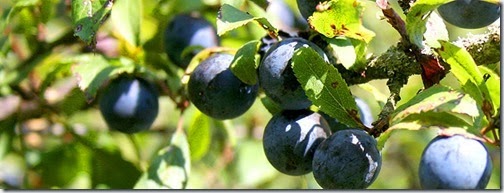
Bullace: VVA-1 (Dwarfing )
Requirements: A new dwarfing rootstock for plums. Requires good fertile soil and ground cleared of weeds and grass. Stake for the first 5 years. Requires watering in dry conditions.
Mature height: 7-9ft (2-2.7m)
Spread: 9ft (2.7m)
Planting distance: 8ft (2.5m) apart, 12ft (3.6m) between rows
Bearing age: 3 years
Suitable forms: Bush, pyramid, small fan
Bullace: Pixy (Semi-dwarfing )
Requirements: Requires good fertile soil and ground cleared of weeds and grass. Stake for the first 5 years. Requires watering in dry conditions.
Mature height: 8-10ft (2.4-3m)
Spread: 10ft (3m)
Planting distance: 10ft (3m) apart, 12ft (3.6m) between rows
Bearing age: 3 years
Suitable forms: Bush, pyramid, small fan
Bullace: WA-VIT (Semi-dwarfing )
Requirements: A new semi-dwarfing rootstock for plums, damsons, apricots and peaches. Suitable for most soil conditions including relatively dry conditions. Stake for the first 5 years
Mature height; 9-11ft (2.7-3.3m)
Spread: 11ft (3.3m)
Planting distance: 10ft (3m) apart, 15ft (4.5m) between rows
Bearing age: 4 years
Suitable forms: Bush, Half Standard, Fan
Bullace: St Julien A (Semi-vigorous )
Requirements: Suitable for most soil conditions including relatively poor soil and grassed orchards. Stake for the first 5 years.
Mature height; 10-12ft (3-3.6m)
Spread; 12ft (3.6m)
Planting distance: 12ft (3.6m) apart, 15ft (4.5m) between rows
Bearing age: 4/5 years
Suitable forms: Half standard, bush, fan
Bullace: Brompton (Very vigorous )
Requirements: Suitable for most soil conditions including poor soils. Stake for the first 5 years.
Mature height: Over 15ft (4.5m)
Spread: 15ft (4.5m)
Planting distance: 20ft (6m) apart, 25ft (7.5m) between rows
Bearing age: 4/5 years
Suitable forms: Standard
Cherry Plum
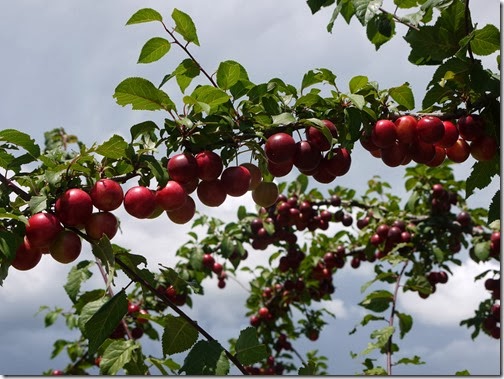
Cherry Plum: VVA-1 (Dwarfing )
Requirements: A new dwarfing rootstock for plums. Requires good fertile soil and ground cleared of weeds and grass. Stake for the first 5 years. Requires watering in dry conditions.
Mature height: 7-9ft (2-2.7m)
Spread: 9ft (2.7m)
Planting distance: 8ft (2.5m) apart, 12ft (3.6m) between rows
Bearing age: 3 years
Suitable forms: Bush, pyramid, small fan
Cherry Plum: Pixy (Semi-dwarfing )
Requirements: Requires good fertile soil and ground cleared of weeds and grass. Stake for the first 5 years. Requires watering in dry conditions.
Mature height: 8-10ft (2.4-3m)
Spread: 10ft (3m)
Planting distance: 10ft (3m) apart, 12ft (3.6m) between rows
Bearing age: 3 years
Suitable forms: Bush, pyramid, small fan
Cherry Plum: WA-VIT (Semi-dwarfing )
Requirements; A new semi-dwarfing rootstock for plums, damsons, apricots and peaches. Suitable for most soil conditions including relatively dry conditions. Stake for the first 5 years
Mature height: 9-11ft (2.7-3.3m)
Spread: 11ft (3.3m)
Planting distance: 10ft (3m) apart, 15ft (4.5m) between rows
Bearing age: 4 years
Suitable forms: Bush, Half Standard, Fan
Cherry Plum: St Julien A (Semi-vigorous )
Requirements: Suitable for most soil conditions including relatively poor soil and grassed orchards. Stake for the first 5 years.
Mature height: 10-12ft (3-3.6m)
Spread: 12ft (3.6m)
Planting distance: 12ft (3.6m) apart, 15ft (4.5m) between rows
Bearing age: 4/5 years
Suitable forms: Half standard, bush, fan
Cherry Plum: Brompton (Very vigorous )
Requirements: Suitable for most soil conditions including poor soils. Stake for the first 5 years.
Mature height: Over 15ft (4.5m)
Spread: 15ft (4.5m)
Planting distance: 20ft (6m) apart, 25ft (7.5m) between rows
Bearing age: 4/5 years
Suitable forms: Standard
Damson

Damson: VVA-1 (Dwarfing )
Requirements: A new dwarfing rootstock for plums. Requires good fertile soil and ground cleared of weeds and grass. Stake for the first 5 years. Requires watering in dry conditions.
Mature height: 7-9ft (2-2.7m)
Spread: 9ft (2.7m)
Planting distance: 8ft (2.5m) apart, 12ft (3.6m) between rows
Bearing age: 3 years
Suitable forms: Bush, pyramid, small fan
Damson: Pixy (Semi-dwarfing )
Requirements: Requires good fertile soil and ground cleared of weeds and grass. Stake for the first 5 years. Requires watering in dry conditions.
Mature height: 8-10ft (2.4-3m)
Spread: 10ft (3m)
Planting distance: 10ft (3m) apart, 12ft (3.6m) between rows
Bearing age: 3 years
Suitable forms; Bush, pyramid, small fan
Damson: WA-VIT (Semi-dwarfing )
Requirements: A new semi-dwarfing rootstock for plums, damsons, apricots and peaches. Suitable for most soil conditions including relatively dry conditions. Stake for the first 5 years
Mature height: 9-11ft (2.7-3.3m)
Spread: 11ft (3.3m)
Planting distance: 10ft (3m) apart, 15ft (4.5m) between rows
Bearing age: 4 years
Suitable forms: Bush, Half Standard, Fan
Damson: St Julien A (Semi-vigorous )
Requirements: Suitable for most soil conditions including relatively poor soil and grassed orchards. Stake for the first 5 years.
Mature height: 10-12ft (3-3.6m)
Spread: 12ft (3.6m)
Planting distance: 12ft (3.6m) apart, 15ft (4.5m) between rows
Bearing age: 4/5 years
Suitable forms: Half standard, bush, fan
Damson: Brompton (Very vigorous )
Requirements: Suitable for most soil conditions including poor soils. Stake for the first 5 years.
Mature height: Over 15ft (4.5m)
Spread: 15ft (4.5m)
Planting distance: 20ft (6m) apart, 25ft (7.5m) between rows
Bearing age: 4/5 years
Suitable forms: Standard
Crab Apple

Crab Apple: M27 (Very dwarfing )
Requirements: Good soil conditions. Ground should be clear of weeds and grass. Permanent staking required. Water in dry conditions.
Mature height; 4-6ft (1.2-1.8m)
Spread: 5ft (1.5m)
Planting distance: 4-5 ft (1.2-1.5m) apart, 6ft (1.8m) between rows
Mature yield: 10-15lb (4.5-7kg)
Bearing age: 2 years
Suitable forms: Dwarf pyramid, centre leader, step-over
Crab Apple: M9 (Dwarfing )
Requirements: Good soil conditions. Ground should be clear of weeds and grass. Permanent staking required. Water in dry conditions.
Mature height; 6-8ft (1.8-2.4m)
Spread: 9ft (2.7m)
Planting distance: 8-10ft (2.4-3m) apart, 12ft (3.6m) between rows
Mature yield; 25-50lb (11-23kg)
Bearing age: 2/3 years
Suitable forms: Bush, pyramid, centre leader, cordon
Crab Apple: M26 (Semi-dwarfing )
Requirements: Can be grown in all reasonable soil conditions including grass orchards. Stake for the first 5 years.
Mature height: 8-10ft (2.4-3m)
Spread: 12ft (3.6m)
Planting distance: 8-12ft (2.4-3.6m) apart, 15ft (4.5m) between rows
Mature yield: 30-80lb (13.5-36kg)
Bearing age: 2/3 years
Suitable forms; Bush, pyramid, centre leader, cordon, minaret, espalier, container
Crab Apple: MM106 (Semi-vigorous )
Requirements: Suitable for a wide range of soils including grassed orchards and relatively poor soils. Stake for the first 5 years.
Mature height; 10-13ft (3-4m)
Spread: 13ft (4m)
Planting distance: 12ft (3.6m) apart, 15ft (4.5m) between rows
Mature yield: 50-100lb (23-56kg)
Bearing age; 3/4 years
Suitable forms; Half standard, bush, cordon, espalier, container
Crab Apple: MM111 (Vigorous )
Requirements: Suitable for a wide range of soils including grassed orchards and poor soils. Staking preferable but not necessary if planted as a one year old. Stake for first 3 years if planted as 2/3 year trees.
Mature height: 13-15ft (4-4.5m)
Spread: 15ft (4.5m)
Planting distance: 15ft (4.5m) apart, 20ft (6m) between rows
Mature yield: 100-400lb (45-180kg)
Bearing age: 4/5 years
Suitable forms: Standard, half standard, large espalier
Crab Apple: M25 (Very vigorous )
Requirements: Suitable for a wide range of soils including grassed orchards and poor soils. Staking preferable but not necessary if planted as a one year old. Stake for first 3 years if planted as 2/3 year trees.
Mature height : Over15ft (4.5m)
Spread: 20ft (6m)
Planting distance: 20ft (6m) apart, 25ft (7.5m) between rows
Mature yield: 200-400lb (90-180kg)
Bearing age: 5/6 years
Suitable forms: Standard
Technorati Tags:
Fruit,
Tree,
Rootstock,
Specification,
Requiremnets,
Mature height,
Spread,
Planting distance,
Mature yield,
Bearing age,
Forms,
Standard,
half standard,
large espalier,
Crab Apple,
Damson,
Cherry Plum,
Bullace,
Almond,
Quince,
Medlar,
Cherry,
Apricot,
Nectarine,
Peach,
Plum,
Pear,
Apple


.jpg)